
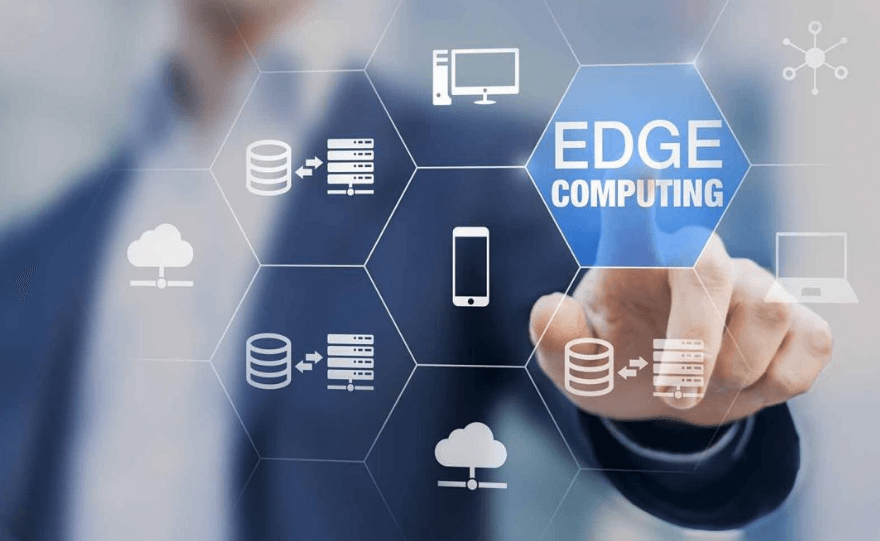
What Is Edge Computing and How Does It Impact Tech?

Edge computing represents a significant shift in how data is processed and managed. By decentralizing operations, it brings computation closer to the source of data, which can enhance efficiency and reduce latency. This technology is gaining traction across various industries, impacting everything from healthcare to manufacturing. As organizations explore its potential, the implications of edge computing on future technological landscapes remain profound and warrant further examination. What transformations lie ahead?
Understanding Edge Computing
Edge computing represents a transformative shift in the way data is processed, analyzed, and stored.
By decentralizing data processing closer to the source, it significantly reduces network latency. This enables faster decision-making and enhances real-time analytics.
As a result, businesses can harness the full potential of their data while maintaining autonomy over their operations, ultimately empowering them to innovate without constraints.
Key Benefits of Edge Computing
As organizations increasingly seek to optimize their operations, the key benefits of edge computing emerge as pivotal factors in driving efficiency and innovation.
Notably, latency reduction enhances real-time processing capabilities, allowing for quicker decision-making.
Additionally, edge computing bolsters data privacy by keeping sensitive information localized, reducing exposure during transmission.
Together, these advantages empower businesses to operate more effectively while safeguarding their valuable data.
See also: What Is Digital Twins and How Are They Shaping Industries?
Applications Across Various Sectors
The growing reliance on edge computing has paved the way for diverse applications across various sectors, showcasing its transformative potential.
In healthcare innovations, real-time data processing enhances patient monitoring and diagnostics.
Meanwhile, manufacturing automation benefits from reduced latency, enabling smarter production lines.
These advancements illustrate how edge computing not only optimizes efficiency but also fosters creativity and freedom in developing cutting-edge solutions.
The Future of Edge Computing in Technology
With the rapid evolution of technology, the future of edge computing appears poised to redefine the landscape of data processing and connectivity.
Future trends indicate increased integration with AI and IoT, enhancing real-time analytics.
However, industry challenges such as security vulnerabilities and regulatory compliance must be addressed.
Overcoming these obstacles will be essential for unlocking the full potential of edge computing in various sectors.
Conclusion
In conclusion, edge computing emerges as a pivotal force in the evolution of technology, coinciding with the rise of AI and IoT. This synergy not only enhances data processing by reducing latency but also fosters innovation across various sectors. As businesses increasingly adopt edge solutions, they find themselves better equipped to respond to market dynamics. Ultimately, the convergence of these technologies signals a transformative era, where agility and efficiency redefine the landscape of connectivity and data management.


